%20--%3e%3csvg%20version='1.1'%20id='Layer_1'%20xmlns='http://www.w3.org/2000/svg'%20xmlns:xlink='http://www.w3.org/1999/xlink'%20x='0px'%20y='0px'%20viewBox='0%200%202531.05%201069.66'%20style='enable-background:new%200%200%202531.05%201069.66;'%20xml:space='preserve'%3e%3cstyle%20type='text/css'%3e%20.st0{fill:%234469FF;}%20.st1{fill:url(%23SVGID_1_);}%20%3c/style%3e%3cg%3e%3cg%3e%3cg%3e%3cpath%20class='st0'%20d='M1197.81,345.75c0-44.03,34.71-78.74,86.36-78.74c50.8,0,85.52,34.71,85.52,78.74%20c0,43.18-34.71,77.9-85.52,77.9C1232.53,423.65,1197.81,388.93,1197.81,345.75z'/%3e%3crect%20x='1211.36'%20y='472.75'%20class='st0'%20width='144.79'%20height='472.46'/%3e%3cpath%20class='st0'%20d='M1571.21,472.75l102.45,336.98l102.45-336.98h154.1l-167.65,472.46h-178.65l-167.65-472.46H1571.21z'/%3e%3cpath%20class='st0'%20d='M2170.66,465.98c70.28,0,120.23,32.17,145.63,73.66v-66.89h144.78v472.46h-144.78v-66.89%20c-26.25,41.49-76.2,73.66-146.48,73.66c-115.15,0-207.44-94.83-207.44-243.85C1962.38,559.12,2054.67,465.98,2170.66,465.98z%20M2213,592.14c-54.19,0-103.3,40.64-103.3,116s49.11,117.69,103.3,117.69c55.04,0,103.3-41.49,103.3-116.84%20S2268.03,592.14,2213,592.14z'/%3e%3c/g%3e%3cg%3e%3cpath%20class='st0'%20d='M888.33,463.69c-134.72,0-243.94,109.21-243.94,243.94c0,134.72,109.21,243.94,243.94,243.94%20c134.72,0,243.94-109.21,243.94-243.94C1132.26,572.91,1023.05,463.69,888.33,463.69z%20M888.33,813.07%20c-58.24,0-105.45-47.21-105.45-105.45c0-58.24,47.21-105.44,105.45-105.44c58.24,0,105.45,47.21,105.45,105.44%20C993.77,765.86,946.56,813.07,888.33,813.07z'/%3e%3c/g%3e%3cg%3e%3cpath%20class='st0'%20d='M269.52,782.92l0.15-0.06c-0.07-0.07-0.15-0.13-0.22-0.2L269.52,782.92z'/%3e%3c/g%3e%3c/g%3e%3cg%3e%3cg%3e%3cg%20id='XMLID_00000125591556443329464150000009271137283663883958_'%3e%3cg%3e%3cpath%20class='st0'%20d='M333.48,422.81c145.51,0,263.41,118,263.41,263.51s-117.9,263.41-263.41,263.41%20c-145.61,0-263.51-117.9-263.51-263.41S187.88,422.81,333.48,422.81z%20M447.35,686.32c0-62.9-50.97-113.86-113.86-113.86%20c-62.99,0-113.96,50.97-113.96,113.86s50.97,113.86,113.96,113.86C396.38,800.18,447.35,749.21,447.35,686.32z'/%3e%3c/g%3e%3c/g%3e%3c/g%3e%3cg%3e%3cg%20id='XMLID_00000150087887568395102250000005431682426921301673_'%3e%3cg%3e%3clinearGradient%20id='SVGID_1_'%20gradientUnits='userSpaceOnUse'%20x1='161.9367'%20y1='735.101'%20x2='255.5788'%20y2='438.2731'%3e%3cstop%20offset='0'%20style='stop-color:%234469FF'/%3e%3cstop%20offset='1'%20style='stop-color:%230535CD'/%3e%3c/linearGradient%3e%3cpath%20class='st1'%20d='M333.48,572.45c-62.99,0-113.96,50.97-113.96,113.86c0,15.72,3.19,30.7,8.95,44.33L92.73,793.6%20c-14.63-32.77-22.76-69.08-22.76-107.29c0-145.51,117.9-263.51,263.51-263.51l-0.05,149.6'/%3e%3c/g%3e%3c/g%3e%3c/g%3e%3cg%3e%3cg%20id='XMLID_00000183948366416270460280000003168390888041169564_'%3e%3cg%3e%3cpath%20class='st0'%20d='M290.77,580.68c13.18-5.33,27.57-8.24,42.65-8.24c26.81,0,51.36,9.27,70.78,24.74L289.75,188.46%20c-12.13-41.9-50.57-70.78-94.24-70.78H94.66c-14,0-24.05,13.41-20.21,26.72l9.86,33.81c3.84,13.41,16.07,22.67,30.07,22.67%20l21.74,0c12.71,0,24.49,8.44,27.04,20.9c3.42,16.7-9.51,31.65-25.71,31.65h-3.84c-13.8,0-23.75,13.23-19.92,26.49l9.97,34.54%20c3.86,13.37,16.1,22.58,30.01,22.58h21.59c12.74,0,24.5,8.53,26.98,21.03c3.33,16.74-9.58,31.51-25.74,31.51h-3.55%20c-13.8,0-23.76,13.31-19.91,26.52l30.46,111.2l0,0c12.39,46.08,62.11,71.14,106.52,53.7L290.77,580.68z'/%3e%3c/g%3e%3c/g%3e%3c/g%3e%3c/g%3e%3c/g%3e%3c/svg%3e)

"Brick has been an exceptional partner to Sumsub. Our collaboration brought a perfect innovation for user verification, making the entire experience seamless and impactful."

Tee Kok Ong
Director APAC
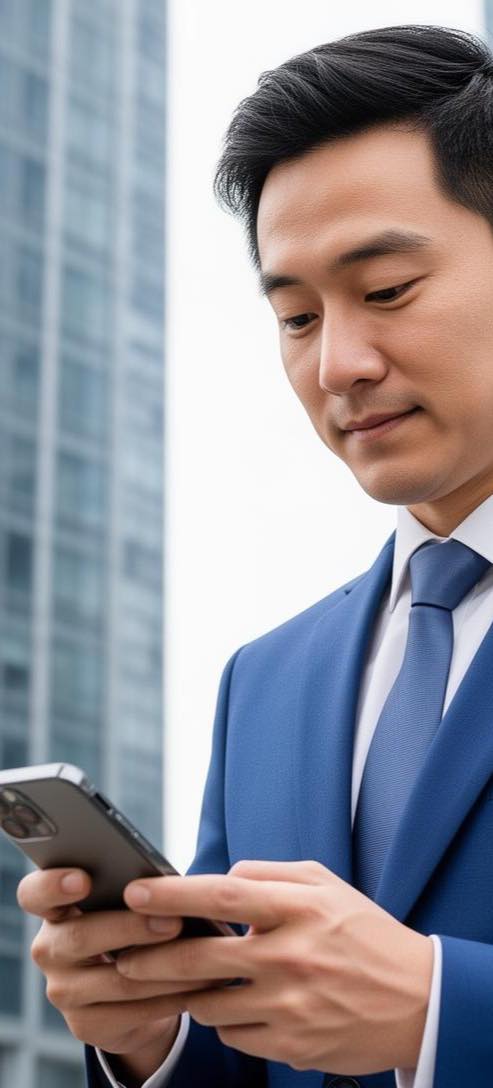
Integrate IDVB for identity-data matching, IDVS for identity and selfie comparison, or IDVC for a comprehensive flow with selfie and liveness signals.




Organizations using the Brick verification ecosystem



VERIFICATION SUITE
Start with identity-data matching, add selfie comparison when you need a biometric signal, or use the comprehensive flow for identity, selfie, and liveness checks. All three products use the same documented API pattern.

Foundational identity-data checks for workflows that do not require a selfie or liveness signal.
Included checks

Adds selfie comparison to the identity-data checks when your workflow requires a biometric signal.
Included checks
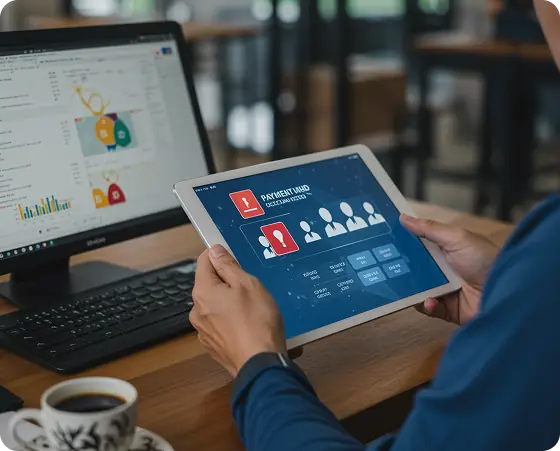
Combines identity data, selfie comparison, and liveness signals for workflows that require layered verification.
Included checks
Industry workflows
BOIVA provides verification building blocks. Your team remains responsible for the business decision, policy, and regulatory process around each result.
Combine identity checks with your customer onboarding and review workflow.
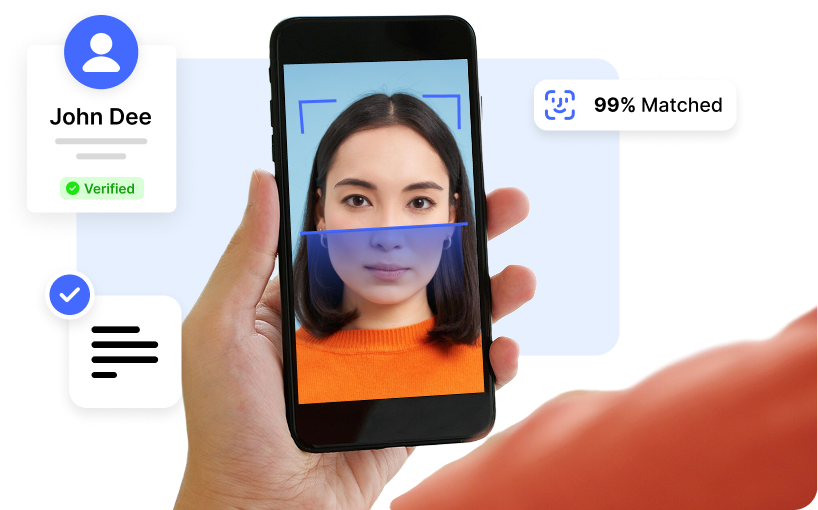
Add identity signals to account opening and transaction-risk workflows.
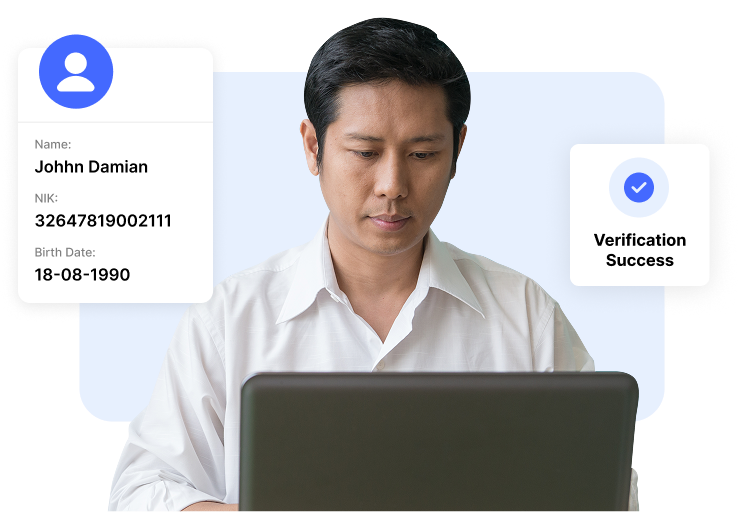
Support policy applications and claimant verification with structured results.
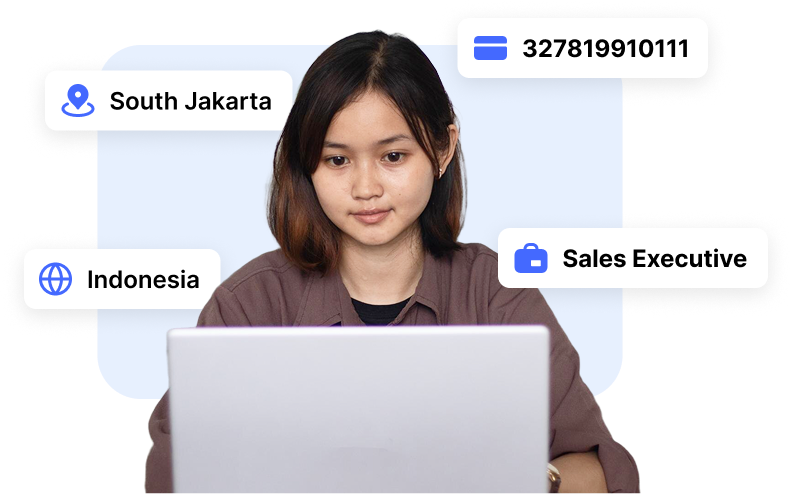
Validate applicant identity data before financing decisions move forward.
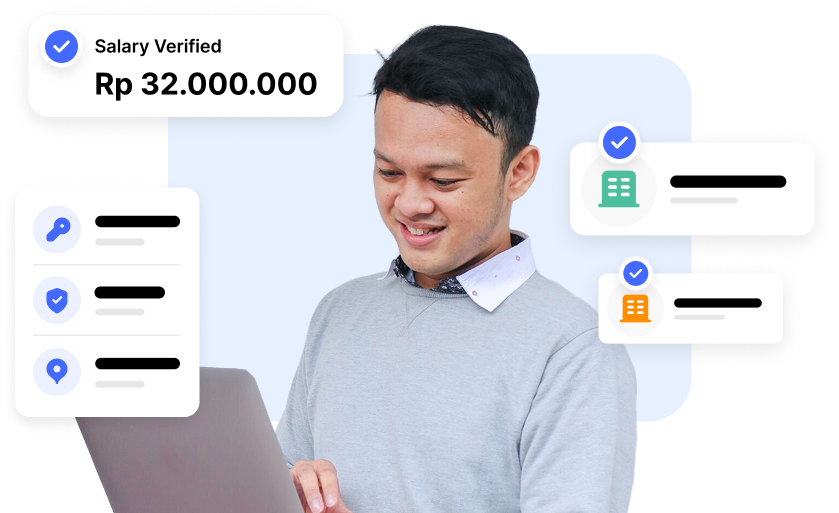
ONBOARDING WORKFLOW
Start with the checks your use case needs, add stronger signals when risk or policy requires them, and keep the outcome available to your application for follow-up decisions.
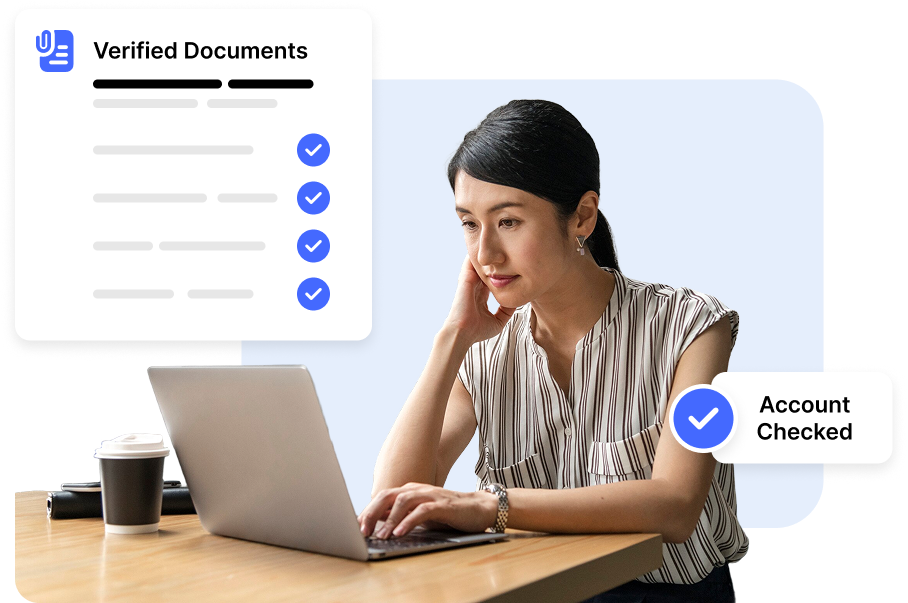
99.9%
Identity Verification Accuracy
15M+
Identities Verified
200+
Enterprise Clients
95%
Faster KYC Onboarding
Trust by design
BOIVA is designed around authenticated access, structured results, documented integration, and separated environments. Product outputs support your workflow; they do not replace your organization's own compliance and risk decisions.
Token-based requests keep verification endpoints separate from public website traffic and associate usage with the calling organization.
Reference identifiers and status responses give implementation teams a consistent way to follow each verification request.
Authentication, verification requests, response fields, and error handling are documented for teams building and operating the integration.
Keep test activity and credentials separate from production so teams can validate workflows without mixing operational data.
DEVELOPER FIRST
Use the documentation to prepare authentication, send a verification request, interpret each response field, and handle errors explicitly in your application.
See API DocsBrick Ecosystem Partner Voices
"Brick has been an exceptional partner to Sumsub. Our collaboration brought a perfect innovation for user verification, making the entire experience seamless and impactful."
Tee Kok Ong
Director APAC

"Brick Teknologi Indonesia is a company that brings current technology innovations and solutions to support Indonesia's digital progress."

Dedy Tri Cahyono
VIDA Channel Manager
Product answers
Compare the three available products and understand the integration path before you speak with our team.
Read all product FAQsBOIVA is an identity verification API platform for businesses operating onboarding and customer-verification workflows in Indonesia. It offers three products: IDVB, IDVS, and IDVC.
IDVB matches core identity data without a selfie. IDVS adds selfie comparison to identity-data verification. IDVC combines identity-data verification, selfie comparison, and liveness signals in a comprehensive flow.
Use IDVB when your workflow only needs identity-data matching. Choose IDVS when you also need a selfie comparison. Choose IDVC when your process requires layered identity, selfie, and liveness signals. Your organization remains responsible for its final policy and risk decisions.
Developers use a Client ID and Client Key to generate a public access token, then POST to /b2b/v1/identity-verification with type set to IDVB, IDVS, or IDVC. Credentials should remain in a protected server-side environment.
Compare IDVB, IDVS, and IDVC, then share your expected volume and integration requirements through the existing form.